Key benchmark indices Sensex and Nifty declined for the third session in a row on Friday, dropping nearly 1 per cent, dragged by heavy selling in IT, auto and energy stocks. Tariff-related uncertainties amid mixed global market trends also added to the pressure, analysts said. The 30-share BSE Sensex tanked 689.81 points or 0.83 per cent to settle at 82,500.47.

NTPC, JSW Steel, Tata Motors, Bharti Airtel, Power Grid, Kotak Mahindra Bank and Tech Mahindra were also among the major gainers. Larsen & Toubro, Sun Pharma, Nestle, HDFC Bank and Maruti were among the laggards.

Among Sensex gainers, Power Grid jumped the most by 4.16 per cent after its board approved an investment of Rs 656 crore in transmission projects. Private lenders HDFC Bank, Axis Bank, Kotak Bank, IndusInd Bank and ICICI Bank were also among lead gainers. NTPC, Nestle and Hindustan Unilever also ended the session with gains.

Among Sensex firms, Mahindra & Mahindra, Tech Mahindra, State Bank of India, Infosys, Adani Ports and ITC were the major gainers. However, Eternal, Sun Pharma, Tata Steel, Tata Motors, Bajaj Finance and Bharat Electronics were among the major laggards.

Sensex sinks 573 pts on global tensions and high crude prices

Among the 30 Sensex firms, Tata Motors jumped over 4 per cent, followed by Bajaj Finserv, Bajaj Finance, HCL Technologies, ITC, Reliance Industries, Tech Mahindra, Maruti and State Bank of India. Reliance Industries climbed nearly 2 per cent after Mukesh Ambani, chairman and managing director of the firm, said the board of the company will meet on September 5 to consider issuing bonus shares in the ratio of 1:1.

Stock markets are in for an event-heavy week ahead with a raft of Q1 earnings from blue-chips, the US Fed interest rate decision and foreign investors trading activity driving investors' sentiment, analysts said. Macroeconomic data announcements, monthly auto sales numbers and global market trends would also guide movement in the domestic equities, they said.

Reliance Industries closed more than half a per cent higher after the company announced a proposed merger of media and entertainment assets of Viacom18 with Star India. Hindustan Unilever, Bharti Airtel, Tata Motors, ITC, Tech Mahindra and Axis Bank were among the laggards.

Equity investors would track global market trends, inflation data and trading activity of foreign investors for further cues this week, analysts said. Moreover, progress of monsoon and developments related to trade talks would also be monitored by investors, experts noted.
Among the Sensex constituents, 20 stocks ended the session in green with HDFC Bank, Titan, Tech Mahindra, and Asian Paints being the major gainers. TCS, Maruti, Kotak Mahindra Bank and Bajaj Finserve were the other gainers. In contrast, SBI, Bharti Airtel, JSW Steel, PowerGrid, ITC and Reliance closed the trading with losses.

From the Sensex basket, Larsen & Toubro, Bajaj Finance, Axis Bank, State Bank of India, UltraTech Cement, Wipro, ICICI Bank, Infosys, HCL Technologies and Asian Paints were the major gainers. NTPC, JSW Steel and HDFC Bank were the laggards.

Tata Steel, Maruti, Tata Motors, Infosys, Bharti Airtel and Tech Mahindra were also among the laggards. However, Trent, Asian Paints, Hindustan Unilever, ITC, Kotak Mahindra Bank, and Reliance Industries were the gainers.
From the Sensex basket, NTPC, Power Grid, IndusInd Bank, Tata Steel, Tata Motors, JSW Steel, Tech Mahindra and Larsen & Toubro were the biggest gainers. Bharti Airtel, Maruti, ICICI Bank and Asian Paints were the laggards.

The strategy was straightforward - aggressively buy select Bank Nifty index stocks in the morning and sell them just as forcefully later in the day, triggering a sharp drop in share prices.
Mahindra & Mahindra, Titan, Sun Pharma, ITC, Nestle and Tata Motors were the other big gainers. Reliance Industries, Kotak Mahindra Bank, Bajaj Finance and JSW Steel were among the laggards.
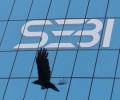
Markets regulator Sebi has barred US-based Jane Street Group from the securities markets and directed the group to disgorge unlawful gains of Rs 4,843 crore for allegedly manipulating stock indices through positions taken in derivatives segment. This could be the highest disgorgement amount ever directed by the Securities and Exchange Board of India (Sebi).
Benchmark indices Sensex and Nifty gave up early gains to close lower for a fourth straight session on Thursday due to selling in IT and banking shares amid weak global equities. The 30-share BSE benchmark settled 98 points or 0.18 per cent lower at 53,416.15. During the day, it hit a high of 53,861.28 and a low of 53,163.77. The broader NSE Nifty also pared initial gains and ended 28 points or 0.18 per cent down to settle at 15,938.65.

Domestic institutional investors (DIIs) poured in Rs 94,829 crore of fresh money into Indian equities in August, the second-highest monthly inflow after record Rs 1.07 trillion influx in October 2024.
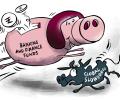
Even as banks and finance companies are reporting record-high earnings, their weighting in the benchmark National Stock Exchange Nifty50 Index has seen a downward trajectory. Investors expect a stronger performance from other sectors in the new year. Currently, banking, financial services and insurance (BFSI) companies collectively hold a weighting of 34.5 per cent, down from 36.7 per cent at the end of December 2022 and a record high of 40.6 per cent at the end of December 2019. This represents the sector's lowest weighting in the index since December 2021 when it stood at 33.7 per cent.

From the Sensex basket, Power Grid, IndusInd Bank, Tata Motors, JSW Steel, NTPC, HCL Technologies, Tata Steel, ICICI Bank, Mahindra & Mahindra, Axis Bank, HDFC Bank and Reliance Industries were among the major laggards. Among the gainers, Hindustan Unilever climbed over 5 per cent. Tech Mahindra, Nestle, ITC, Wipro, Tata Consultancy Services and Kotak Mahindra Bank were the other major gainers.

From the Sensex pack, Sun Pharma, Eternal, Tata Motors, Bajaj Finance, IndusInd Bank and Bajaj Finserv were among the major laggards. In contrast, Tech Mahindra, Infosys, Asian Paints and Maruti were among the gainers.
Among Sensex shares, Sun Pharmaceutical, Tata Steel, Trent, Bajaj Finance, Mahindra & Mahindra, Bajaj Finserv, Reliance Industries, Axis Bank, Tech Mahindra, Adani Ports, Titan, BEL, and Larsen & Toubro were the major laggards. However, Hindustan Unilever, Maruti Suzuki India, ITC, Tata Consultancy Services and UltraTech Cement were the gainers.

'The universe of PSU stocks is huge and diverse.' 'Investors should bet on specific sectors and stocks from the basket as most of them may continue to consolidate after years of outperformance.'
From the Sensex basket, Tata Consultancy Services, Nestle, Bajaj Finserv, Wipro, Maruti Suzuki India, Reliance Industries, Larsen & Toubro and NTPC were the major laggards. Tata Steel, Bajaj Finance, JSW Steel and Bharti Airtel were among the gainers.
Benchmark BSE Sensex and Nifty snapped their two-day losing streak to close nearly half a per cent higher on Tuesday following gains in banking, metal and auto stocks. The 30-share BSE Sensex climbed 257.43 points or 0.44 per cent to settle at 59,031.30. During the day, it hit a high of 59,199.11 and a low of 58,172.48.

Life Insurance Corporation (LIC) , the country's largest domestic institutional investor (DII), has seen a Rs 46,000 crore erosion in the value of its equity holdings amid market downturns in July. The benchmark indices, Nifty 50 and BSE Sensex, have slipped 2.6 per cent from their June 2025-end level to 24,837 and 81,463.09 respectively.

Trading sentiment in the stock market this week will be guided by quarterly earning announcements from blue-chips such as Infosys and Bajaj Finance, the outcome of India-US trade talks and global cues, analysts said. Markets may on Monday react to the quarterly results of three heavyweights - Reliance Industries, HDFC Bank and ICICI Bank, an expert said.

Indian information-technology (IT) service providers are likely to report another quarter (July-September) of low, single-digit growth owing to macro uncertainties, chiefly emanating from America, with no respite in sight even in the second half of the year.

Equity benchmark indices continued to gain for the third day running on Monday, with the BSE Sensex climbing 781 points in early trade, amid firm global market trends. The 30-share BSE Sensex was trading with a jump of 781.52 points to 53,509.50. The NSE Nifty also gained 228.2 points to 15,927.45.

Among Sensex shares, Bajaj Finserve, ICICI Bank, Bharti Airtel, Bajaj Finance, Sun Pharma, Maruti Suzuki, ITC, and Nestle were the lead gainers. On the other hand, L&T Wipro, IndusInd Bank and TCS and Tata Motors were the lead losers.
Among the 30 Sensex companies, Hindustan Unilever, Nestle, Asian Paints, HCL Technologies, HDFC Bank, Kotak Mahindra Bank and ITC were the biggest gainers. Larsen & Toubro, Power Grid, NTPC and State Bank of India were among the laggards.
Bharti Airtel, ICICI Bank, Eternal, Mahindra & Mahindra, HCL Technologies, HDFC Bank, Kotak Mahindra Bank, Tata Consultancy Services and Bajaj Finance were also among the laggards.
From the 30 Sensex firms, Bajaj Finance, Reliance Industries, Tata Steel, JSW Steel, Tech Mahindra, Tata Motors, Kotak Mahindra Bank and Maruti were the biggest laggards. Reliance Industries Ltd, India's most valuable company, on Monday reported a 5 per cent fall in the July-September quarter net profit as weak oil refining and petrochemical business hurt operational performance. ICICI Bank, Bharti Airtel, Asian Paints, Adani Ports, UltraTech Cement and HCL Technologies were among the gainers.
From the Sensex basket, JSW Steel, Tata Steel, Power Grid, Kotak Mahindra Bank, UltraTech Cement, NTPC and Bajaj Finance were the major gainers. Tata Consultancy Services, Tech Mahindra, Maruti, Reliance Industries and Titan were among the laggards.
Foreign brokerages remain cautious on the road ahead for the Indian equity markets. Though analysts at Nomura have revised their March 2026 Nifty target to 26,140 levels from the earlier 24,970, but the upside from the current levels is a modest 6 per cent. BofA Securities, on the other hand, has not made any change to its year-end Nifty target.

Bharti Airtel was the biggest gainer in the Sensex pack, rising 1.63 per cent, followed by Tata Steel, ICICI Bank, Titan, Asian Paints and Ultratech Cements. On the other hand, M&M, NTPC, Tata Motors, TCS and PowerGrid were the major losers.

: Build lasting wealth via disciplined, long-term mutual fund investing in India's compounding marathon, Shanaihi, Shanaihi, says Ramalingam Kalirajan
The brokerage earnings estimate for the January-March 2024 quarter (Q4FY24) for Nifty 50 companies hints at a slowdown in corporate profit growth while revenue increase is likely to be in low single digits as in the previous two quarters. According to various brokerage estimates, the companies' combined net profits are expected to grow 3.1 per cent year-on-year (Y-o-Y) in Q4FY24, the slowest in the last five quarters. For comparison, the index companies' combined net profits were up 8.2 per cent Y-o-Y in Q3FY24 and 3.4 per cent Y-o-Y in Q4FY23.

Stock markets snapped the four-day falling streak on Tuesday with the benchmark Sensex rebounding by 317 points on buying in auto and pharma shares amid a decline in retail inflation to a more than six-year low, nearing the RBI's comfort zone. The 30-share BSE Sensex climbed 317.45 points or 0.39 per cent to settle at 82,570.91. During the day, it jumped 490.16 points or 0.59 per cent to 82,743.62. The 50-share NSE Nifty edged higher by 113.50 points or 0.45 per cent to 25,195.80.

Nestle, Titan, ICICI Bank, Tata Steel, IndusInd Bank, ITC, JSW Steel and State Bank of India were the other laggards. Among the gainers, Tata Motors jumped nearly 6 per cent. Larsen & Toubro, Sun Pharma, Kotak Mahindra Bank, Bajaj Finance and Power Grid also ended in the positive territory.
